ClassificationsAncient Near Eastern Art
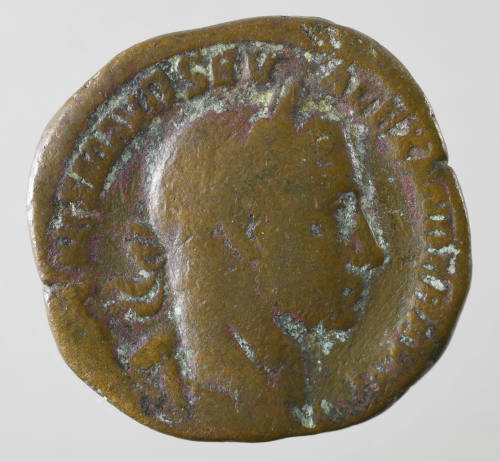
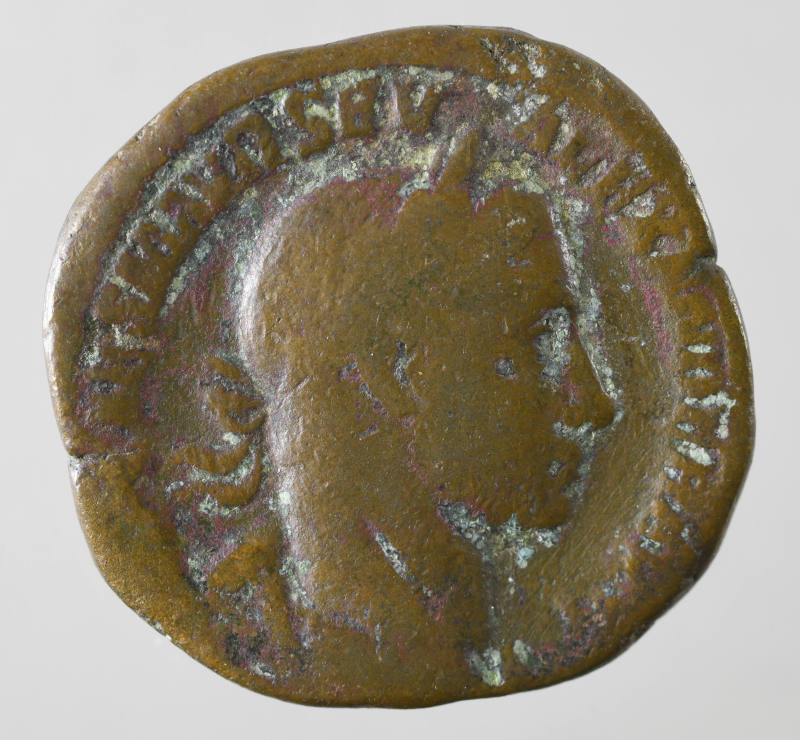
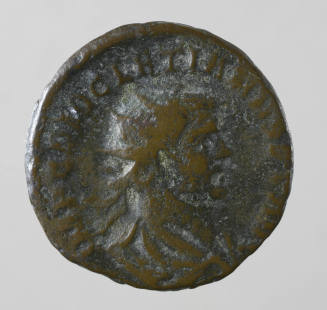
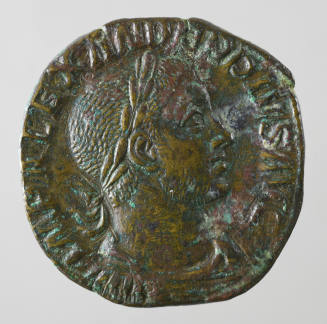
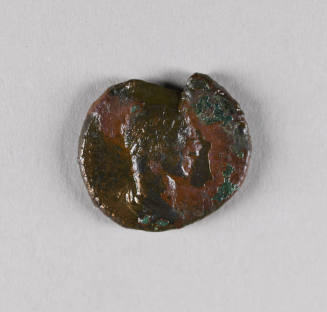
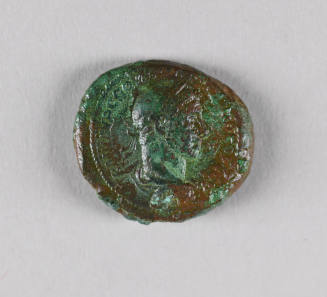
Sestertius of Severus Alexander
Place CreatedRome, Italy, Europe
Place ExcavatedCaesarea, Israel, Asia
CultureRoman
Date222-235 CE
MediumCopper alloy
Credit LineLink Marine Expedition, 1960
Dimensions1 1/16 in., 0.8 oz (3.1 cm, 22.7 g)
Object number1960.055
Label TextObverse: IMP CAES M AVR SEV ALEXANDER AVG, with laureate and draped bust of Severus Alexander to rightReverse: P M TR P VII COS II P P S C, with Mars, helmeted, standing left, holding olive-branch in right hand and spear in left hand
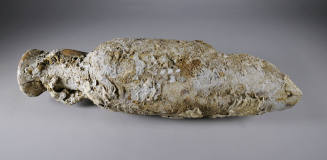
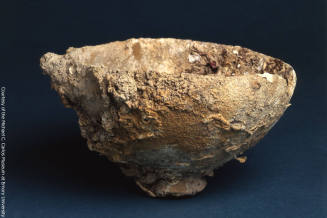
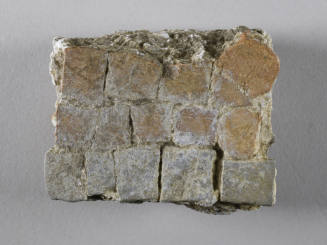
Strategically located on the Syro-Palestinian coast, Caesarea (in modern day Israel) has a history of active trade since 3000 B.C. In 10 B.C., Herod the Great built a new harbor-city on this site in honor of the Roman emperor Caesar Augustus who gave his name to this city. As the capital of Roman Palestine, Caesarea rivaled Jerusalem in importance and splendor. Due to changes in the water level of the Mediterranean Sea, structures of the ancient harbor had been covered by water for centuries. The objects on display were recovered from the submerged harbor and surrounding waters during the Link expedition to Caesarea and the Sea of Galilee of 1960. During this expedition, Emory Professor Immanuel Ben Dor and Atlanta Artist George Beattie accompanied Edwin A. Link, a brilliant inventor, who designed innovative underwater exploration vessels. His ship, the Sea Diver II, was equipped with metal detectors, electronic probes, and an underwater capsule, enabling prolonged diving periods at a depth of up to 400 feet.
Exhibition HistoryMCCM Permanent Collection Galleries, July 1997 - Spring 2001
ProvenanceExcavated by Link Marine Expedition, Israel, 1960.
Status
Not on viewCollections
- Ancient Egyptian, Nubian, and Near Eastern Art
ca. 22 BCE to 641 CE
ca. 9-3 BCE
539-331 BCE
231-235 CE
1st Century BCE-5th Century CE
3rd-5th Century CE
ca. 22 BCE to 641 CE
225-226 CE
225-226 CE
103-111 CE
114-117 CE