ClassificationsAncient Egyptian Art
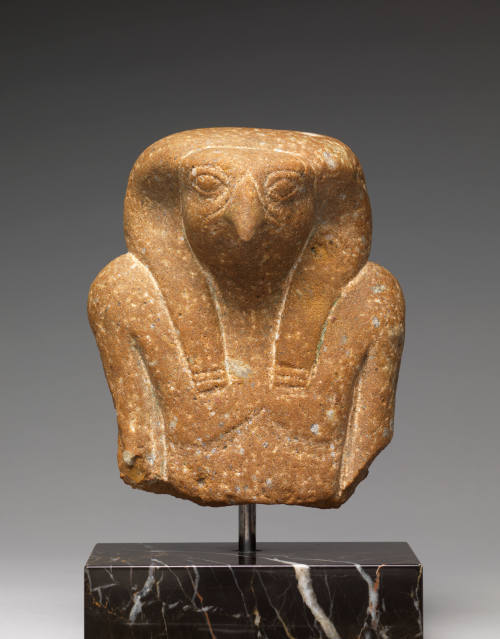
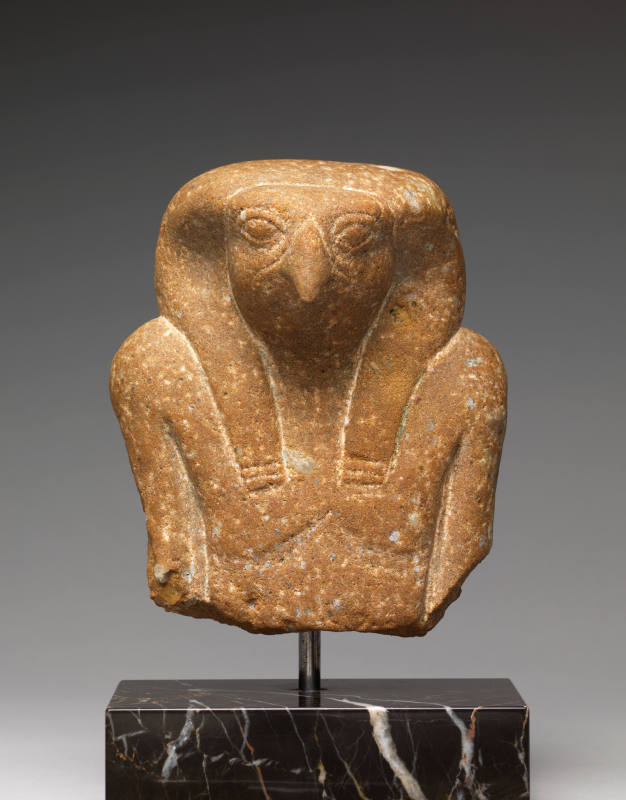
Statuette of Horus
CultureEgyptian
Dateafter 1076 BCE
MediumQuartzite
Credit LineGift of Joseph A. Lewis, II and Sofi Lewis
Dimensions9 x 5 3/4 x 5 in. (22.9 x 14.6 x 12.7 cm)
Object number2011.043.001
Label TextHorus is usually portrayed as a falcon or a falcon-headed man. He is one of ancient Egypt’s most important gods, as well as one of the oldest, found in art and text from the Predynastic Period through the Roman Period. In myths first recorded in the Old Kingdom, Horus succeeded his father Osiris as king of Egypt, and all subsequent kings were seen as living manifestations of Horus on Earth.To be a successful ruler, the king could not rely on one god alone. For much of Egyptian history, the orderly Horus is paired with his chaotic uncle Seth as two of the main supporters of kingship. The Egyptian king was known as The Ruler of the Two Lands and someone who provided wise governance as well as physical strength. Horus and Seth expressed the dualities inherent in Egyptian kingship and acted together through the body of the king to provide the divine physical power needed to protect order, and therefore Egypt.
Published ReferencesSotheby's New York, The Charles Pankow Collection of Egyptian Art (December 8, 2004), 126. lot 125.
ProvenanceEx coll. Charles Pankow (1923-2004), San Francisco, California, acquired from Jerome Eisenberg (1930-2022) [Royal-Athena Galleries], New York, New York. With Sotheby's New York, December 8, 2004, lot 125. Ex coll. Joseph Lewis, United States, purchased from Griffin Gallery Ancient Art, Boca Raton, Florida, December 29, 2010.
Status
Not on viewCollections
- Ancient Egyptian, Nubian, and Near Eastern Art
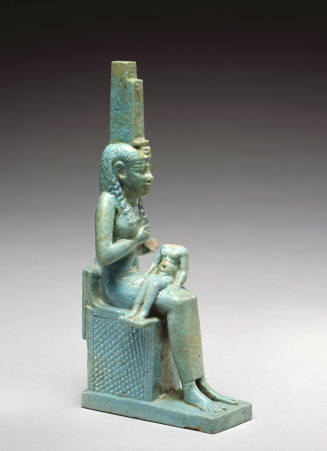
380-180 BCE
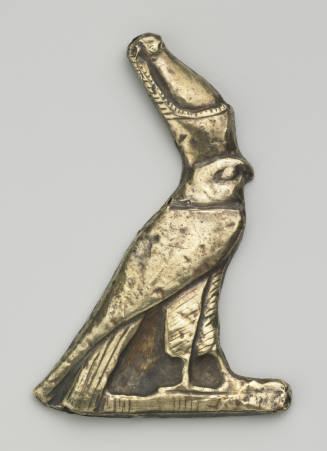
1939-1760 BCE
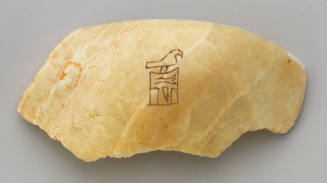
ca. 2950 BCE
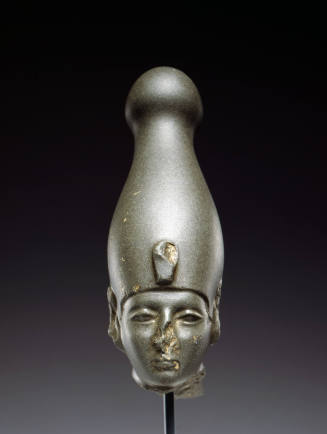
1837-1773 BCE
404-343 BCE
722-332 BCE
722-332 BCE
722-332 BCE
722-30 BCE
722-30 BCE