ClassificationsAfrican Art
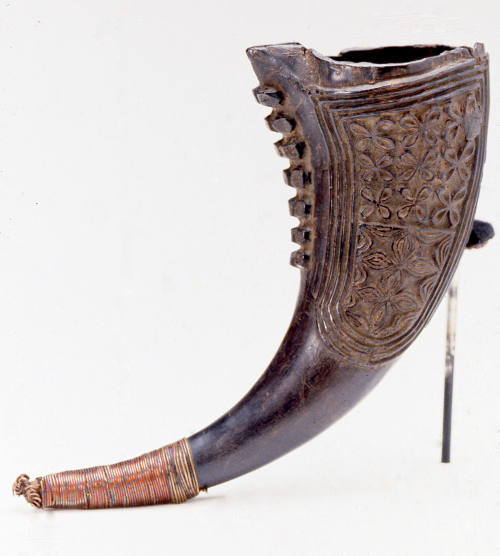
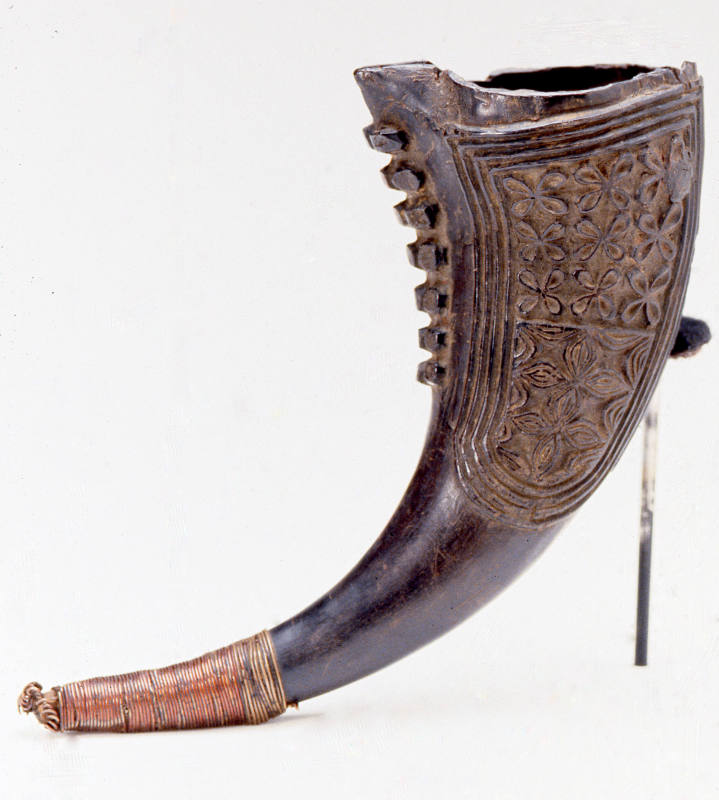
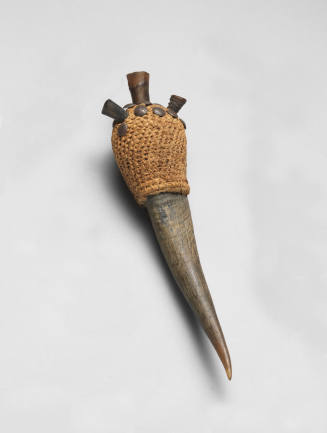
Drinking Horn
Place CreatedCameroon, Africa
Date20th Century
MediumHorn, bronze
Credit LineEx coll. William S. Arnett
Dimensions9 15/16 x 3 3/4 in. (25.2 x 9.5 cm)
Object number1999.003.046
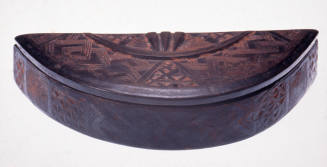
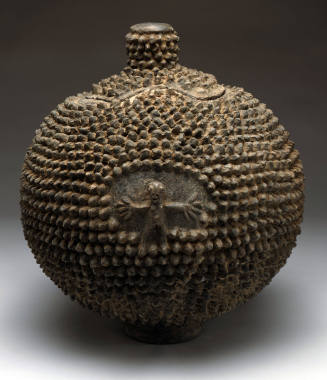
Label TextThroughout Africa, utilitarian items illustrate a desire to combine functional convenience with artistry through the manipulation of form, aesthetic refinement, and embellishment. In the western region of Cameroon, drinking horns, plain and ornate, were a man's most important personal article, highlighting the significance of palm wine for shared sociability and pleasure and as a sacrificial libation. This ebony-colored horn has been decorated with an abstracted design of the earth-spider, a creature of spiritual import to Grassfields peoples. The vessel was made of buffalo horn, a material which could only be used by the king (Fon) and titled elders because of the buffalo's symbolic and economic value to the region. By wrapping the upper end of the horn in copper wire, the vessel was visually enhanced with another indicator of wealth. Equally popular among the Kuba of Central Africa were intricately carved wooden boxes called ngedi mu ntey, crafted in a variety of geometric shapes. These half-moon-shaped containers held tukula, a red camwood powder that was mixed with oil and used as a cosmetic body paint or as a dye for raffia cloth. The surface of this container has been textured with numerous interlocking linear patterns to individualize the object and elevate the humble container into an object to be admired, handled, and displayed for pleasure.Exhibition HistoryThe Art of Collecting: Recent Acquisitions at the Michael C. Carlos Museum, Michael C. Carlos Museum, November 8, 1997 - January 4, 1998
MCCM Permanent Collection Installation, Rotation 3, September 26, 1998 - Spring 2003
MCCM Permanent Collection Installation, July 19, 2003 - Winter 2004
ProvenanceEx coll. William S. Arnett (1939-2020), Atlanta, Georgia.
Status
Not on viewCollections
- African Art
20th Century
19th-20th Century
19th-late 20th Century
ca. 1600 BCE
before 1935
before 1935
before 1935
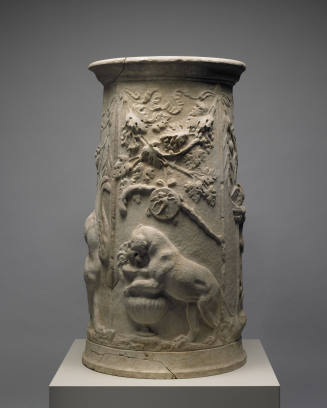
late 1st Century BCE - early 1st Century CE
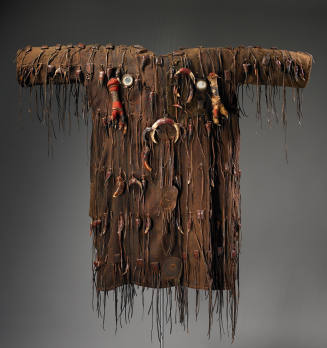
late 19th-early 20th Century
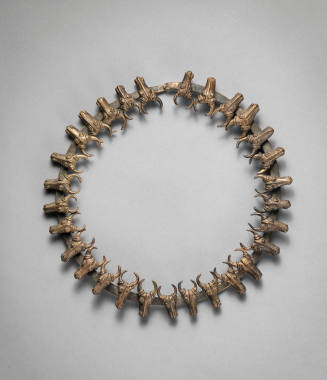
20th Century
20th Century
late 20th Century